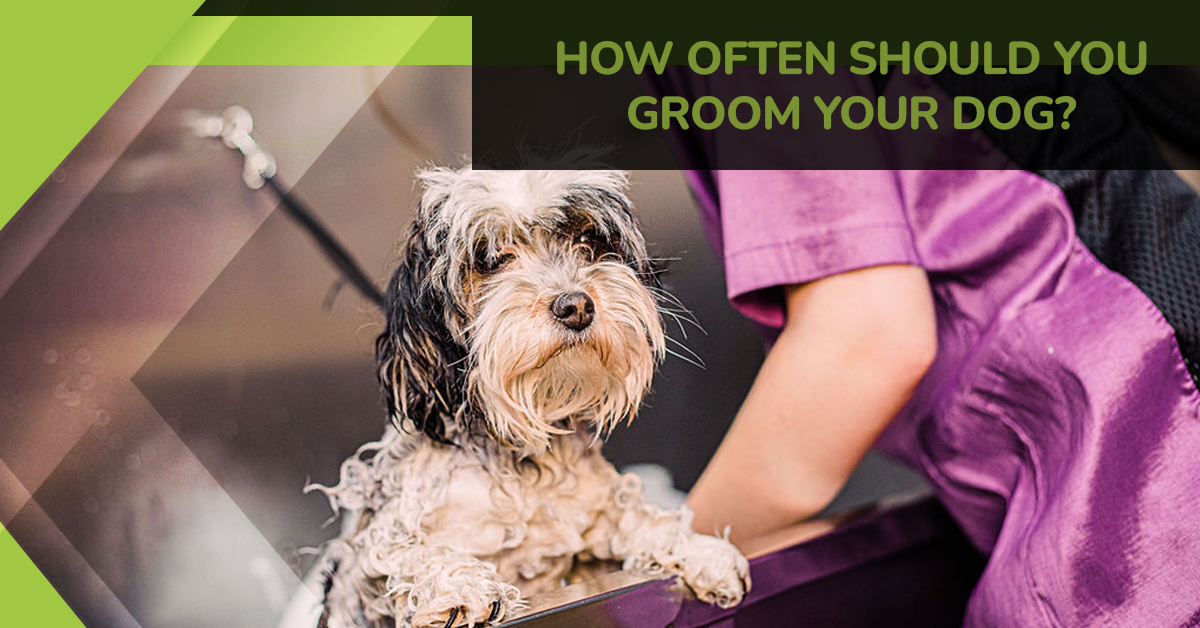
Keeping your dog clean isn’t just about appearances. It’s essential for their health, comfort, and overall well-being. But one of the most common questions pet owners ask is: how often should you groom your dog? The answer isn’t one-size-fits-all. Grooming frequency depends on your dog’s breed, coat type, lifestyle, and how much maintenance you do at home.
In this guide, we’ll break down how often different types of dogs should be groomed so you can build the perfect routine for your pup.
The Short Answer: Every 4–8 Weeks (With Exceptions)
As a general rule, most dogs benefit from professional grooming every 4 to 8 weeks, with regular brushing and maintenance at home in between.mHowever, this timeline can vary widely. Some dogs need grooming as often as every 4 weeks, while others may only need a bath and brush every few months. The key is understanding your dog’s coat type.
Why Grooming Matters
Regular grooming does more than keep your dog looking great. It helps:
- Prevent painful matting and tangles
- Reduce shedding and allergens
- Keep skin and coat healthy
- Allow early detection of lumps, parasites, or skin issues
- Maintain proper nail, ear, and hygiene care
Skipping grooming can lead to discomfort, skin infections, and even mobility issues if nails become overgrown.
Grooming by Coat Type (and Breed Examples)
1. Long-Haired & Continuously Growing Coats
Examples: Poodles, Shih Tzus, Yorkshire Terriers, Doodles
These breeds have hair that grows continuously, similar to human hair. Without regular grooming, their coats can quickly become matted and unmanageable.
Recommended schedule:
- Professional grooming: Every 4–8 weeks
- Brushing: Daily or every other day for longer length coats; once per week for very short coats
These dogs require the most maintenance, especially if you keep their coat long.
2. Double-Coated Breeds
Examples: Golden Retrievers, Huskies, German Shepherds
Double-coated dogs have a dense undercoat that sheds heavily, especially during seasonal changes.
Recommended schedule:
- Professional grooming: Every 6–12 weeks
- Brushing: 1-2times per week (daily during shedding season)
Regular de-shedding treatments help prevent buildup and keep your home (and your dog) more comfortable. See our post Hold the Clippers: Why My Double-Coated Dog Shouldn’t Be Shaved!
3. Short-Haired Breeds
Examples: Beagles, Boxers, Labradors
Short-haired dogs are often considered “low maintenance,” but they still need routine care.
Recommended schedule:
- Bathing: Every 4–8 weeks
- Professional grooming: Every 8–12+ weeks (or as needed)
- Brushing: Weekly
Even short coats shed and collect dirt, so regular upkeep is still important.
4. Medium-Length Coats
Examples: Cocker Spaniels, Border Collies
These dogs fall somewhere in the middle; more maintenance than short-haired breeds but less than long-haired ones.
Recommended schedule:
- Professional grooming: Every 6–8 weeks
- Brushing: 1–2 times per week
Regular brushing prevents tangles, especially around ears and legs.
5. Curly or Wavy Coats
Examples: Bichon Frise, Labradoodles, Portuguese Water Dogs
Curly coats are prone to matting because loose hair gets trapped in the curls.
Recommended schedule:
- Professional grooming: Every 4–6 weeks
- Brushing: Every other day (or daily)
These breeds require consistent grooming to maintain coat health and prevent painful mats.
6. Wire-Coated Breeds
Examples: Schnauzers, Terriers
Wire coats need specialized grooming techniques like hand-stripping to maintain their texture.
Recommended schedule:
- Professional grooming: Every 6-10 weeks
- Brushing: 1–2 times per week

Other Factors That Affect Grooming Frequency
While breed is important, it’s not the only factor. You should also consider:
Activity Level
Dogs that spend a lot of time outdoors, swimming, or rolling in dirt will need more frequent grooming.
Home Maintenance
If you brush your dog regularly at home, you may be able to extend time between professional appointments. If not, you may need more frequent visits. See our post Comb One, Comb All: Finding the Right Grooming Tool post idea!
If you chose to bath your dog in between grooming apts, for dogs that have the coat type Long Haired, Medium Length, or Curly/Wavy; their coat must be completely brushed and combed before getting wet. If you don’t, there is a potential for a small tangle to turn into a larger and tighter mat. (Check out or post on Matting and Why We Should Be Concerned) post idea!
Skin Sensitivity
Over-bathing can strip natural oils and irritate your dog’s skin, so balance is key.
Signs Your Dog Needs Grooming Sooner
Even with a schedule, it’s important to watch for signs your dog needs grooming:
- Tangles or mats forming
- Strong odor
- Excess shedding
- Long nails clicking on the floor (See our post Nailed It! Why Your Dog’s Nail Trims Matter More Than You Think) post idea!
- Dirty ears or buildup
- Greasy or dull coat
If you notice any of these, it’s time to book an appointment.
Contact Dog Pawlour Today
The ideal grooming schedule depends on your dog, but most fall somewhere between every 4 and 8 weeks with regular at-home care. Understanding your dog’s coat type is the best way to ensure they stay clean, comfortable, and healthy.
If you’re unsure what schedule is right for your pup, a professional groomer can help create a personalized plan based on your dog’s breed, coat condition, and lifestyle.
At Dog Pawlour, we’re here to keep your dog looking and feeling their best no matter their breed.